
Hot New Fuzzy Baits for Bass
- jchuch93
- Sep 18, 2025
- 4 min read
Fishing the New Fuzzy Baits: A Game-Changer on the Water
Introduction: The Buzz About Fuzzy Baits
Every now and then, a lure comes along that makes anglers rethink the way they fish. The new Fuzzy Baits have done exactly that. Combining lifelike texture, innovative design, and a unique water action, these baits are quickly becoming a must-have for anyone serious about catching more fish. Whether you’re chasing bass in weedy shallows, working drop-offs for walleye, or targeting crappie around brush piles, Fuzzy Baits have proven themselves to be versatile, reliable, and downright fun to fish.
In this post, we’ll explore what makes Fuzzy Baits special, the best techniques for fishing them, and some real-world stories from the water that show just how effective they can be.
What Makes Fuzzy Baits Different?
At first glance, you might wonder why a bait with a “fuzzy” finish would matter. But that slight difference in design makes a big impact in the water. Unlike smooth-bodied plastics, Fuzzy Baits feature a fine, textured surface that traps air bubbles, disperses scent more effectively, and creates subtle vibrations as the lure moves. This unique texture gives predators the impression of natural prey, which keeps them hanging on longer after the strike.
The fuzz also softens the bait’s silhouette, making it look less artificial. In clear water, fish are notorious for rejecting lures that look “too perfect.” The irregular, natural presentation of a Fuzzy Bait helps fool even the most pressured fish.
Another key feature is durability. Despite the textured surface, these baits hold up well to multiple strikes. Many anglers report catching several fish on a single lure before needing a replacement—something that can’t always be said for other soft plastics.
How to Fish Fuzzy Baits
1. Texas Rig for Bass
One of the most effective ways to fish a Fuzzy Bait is Texas-rigged. Rigging weedless allows you to flip it into heavy cover—laydowns, grass mats, and brush piles—where big bass love to hide. The fuzz creates micro-vibrations even when the bait is sitting still, so don’t be afraid to pause and let the bait soak. Many strikes come when the bait isn’t moving at all.
2. Jig Head for Walleye and Smallmouth
When targeting walleye or smallmouth in deeper water, rigging a Fuzzy Bait on a simple jig head works wonders. Cast it out, let it hit bottom, and use a slow lift-and-drop retrieve. The textured body adds realism during the fall, which is often when fish decide to strike.
3. Drop Shot for Finesse Fishing
In clear lakes with heavy fishing pressure, finesse tactics can save the day. A Fuzzy Bait nose-hooked on a drop shot rig hovers naturally in the strike zone. The subtle quiver combined with the textured surface is irresistible to finicky bass.
4. Swim Jig or Chatterbait Trailer
Don’t overlook Fuzzy Baits as trailers. Their natural action complements moving baits like chatterbaits and swim jigs, adding both bulk and realism. The added vibration from the fuzz can often trigger reaction bites when nothing else works.
Real-World Results on the Water
Anglers across the country are already reporting success stories with Fuzzy Baits. One Midwest bass fisherman shared that during a tough summer tournament, while many competitors were struggling for a limit, he pulled in a five-fish bag using nothing but Fuzzy Baits on a drop shot. The fish weren’t aggressively feeding, but the soft, natural look of the bait was enough to convince them.
Another story comes from a crappie guide in Arkansas who experimented with downsized Fuzzy Baits in early spring. He noticed crappie holding tight to brush piles were more willing to inhale the fuzzy-bodied lure than traditional smooth plastics. The difference was so dramatic that clients began requesting “the fuzzy ones” by name.
Even saltwater anglers have started experimenting. Redfish and speckled trout seem to respond positively to the natural feel and action, proving that this bait isn’t limited to freshwater fishing.
Tips for Maximizing Success with Fuzzy Baits
Use scent: The textured body holds scent longer than smooth plastics. Adding attractant can make a noticeable difference.
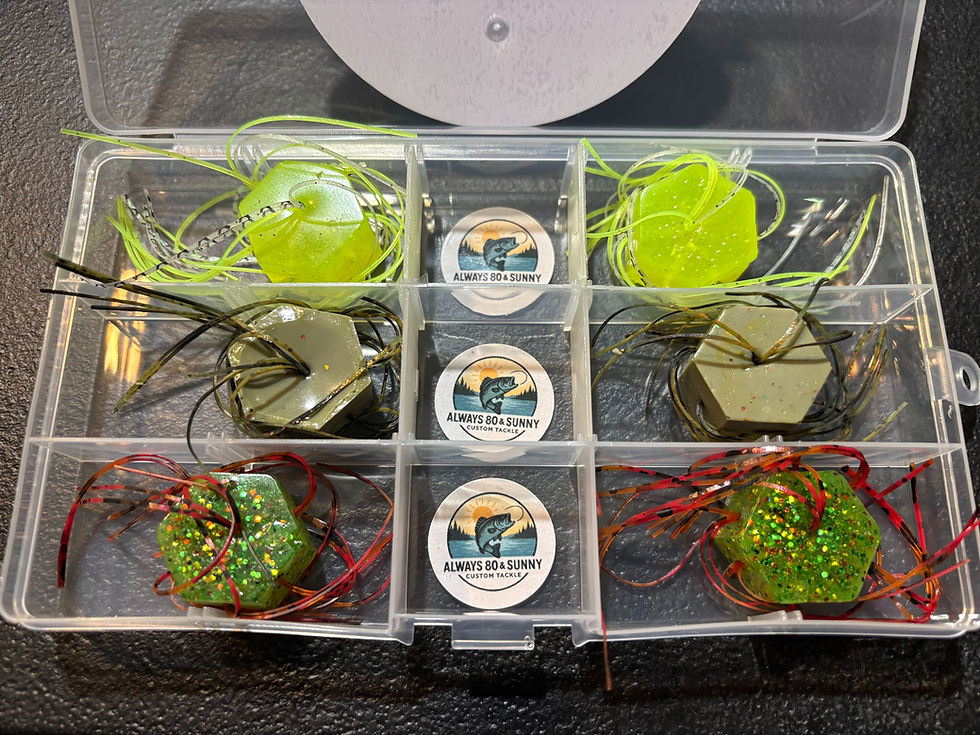
Experiment with colors: Natural hues like green pumpkin and watermelon shine in clear water, while brighter shades like chartreuse or white excel in stained conditions.
Don’t overwork the bait: Sometimes less is more. A slow drag or subtle shake often triggers more strikes than an aggressive retrieve.
Match the hatch: Because of their natural presentation, Fuzzy Baits work best when mimicking the size and color of local forage.
Final Thoughts: Why You Should Try Fuzzy Baits
Fishing is a constant balance between skill, patience, and having the right tools. The new Fuzzy Baits give anglers an edge by adding subtle realism and versatility to their arsenal. They’re not just another lure on the shelf—they’re a bait that genuinely changes how fish respond.
Whether you’re a tournament angler looking for a competitive advantage or a weekend fisherman hoping to land more consistent catches, Fuzzy Baits deserve a spot in your tackle box. Next time you hit the water, tie one on and see for yourself why these baits are creating such a buzz.


Comments